Monday, December 17, 2012

Art Therapy and Sensory Processing Disorder or SPD


Water gels to help children feel calm.

When children or adults have problems processing visual, auditory, tactile, olfactive, gustatory, vestibular, and proprioceptive information from the environment around them, they may have a sensory processing disorder. This is a neurological disorder causing difficulties with taking in, processing, and responding to sensory information. Many of the people that I work with, have some difficulty with processing sensory information. At some time most of us have experienced sensory overload; perhaps while shopping in malls, driving in traffic or attending a concert.

Sensory over responsively can cause a person to go into a fight or flight reaction. Certain sounds (a school bell, someone yelling), scents (perfume, hair shampoo), or sights (flashing lights, fluorescent lights), and or feels (tags on clothing, chalk) may cause a child to run away or scream in fright. One client I work with spends to first 5 minutes checking out everything in the art rooms to make sure that he knows what is new, what others are doing and make sure that he is not missing anything. I always play the same soothing music, burn lavender oil and talk and walk slowly when he is here to help calm down his autonomic nervous system and help regulate his sensory input to a more manageable level. After about 5 minutes, he can settle into a focused and productive session. 
Blue lights for calming.

 
Sensory under responsivity means that a person lacks awareness of sensory stimuli. These people may not be able to detect changes in their environment like the weather getting colder, a burner heating up, or a bright light. One client I work with who is tends to be rather sedentary enjoys bowling with me in the studio area as I create voices for all the stuffed creatures around us cheering us on and commenting on the game. I use sensory stimuli to help wake up his senses

Sensory seeking means that people in this range seek intense and extreme sensory input. They may not feel pain and they may make sounds with their mouths as a way to stimulate their auditory systems. They often play rough and have poor impulse control. I have a client who would throw and spatter paint for half an hour onto a 2 metre long sheet of paper hanging on the wall before he could settle into his body and relax. Now he happily plays in the sand trays as we process his experiences.
Sand tray

The sensory work that I do in my therapy room is geared to help normalize the senses. Children with dyspraxia have a low awareness of their body in space and lack an ability to feel or sense where their body begins and ends. I use many different body awareness techniques to help children relocate themselves in their body. Poor muscle control, poor balance are often also experienced by children and adults who have sensory issues.

So, how can art therapy help? First, by creating an atmosphere that is sensory friendly. I have low lights, coloured lights, soft music, aromatherapy, calm wall spaces and a slowed down environment that has limited stimulation so children and adults have less sensory input to deal with when they enter the therapy space. I use biofeedback, EMDR, breathing exercises, a children’s meditation program and other processes that help children and adults tolerate being in their body at a slowed down speed. I have water gels to help calm the senses. Sand tray work is wonderful for helping children learn to tolerate and enjoy different textures and feels. Playing in sand is one way children can practice sensory integration. Sensory integration is the neurological process that helps us interact with our environment through using our senses. The brain needs to be able to process multiple sensory inputs. Sensory integration is necessary for almost every activity that we perform because the combination of multiple sensory inputs is essential for us to comprehend our surroundings. 

Water gels.


Sunday, December 9, 2012

Guardian Angels


Denise Litchfield is the author of the extraordinary blog, Grrl And dog. She creates wonderful guardian angels. I recently ordered one for my granddaughter Aurora to live alongside her in her bedroom. Who doesn’t need a guardian angel?

In traditional belief, guardian angels were thought to be assigned to protect and guide a particular person, or group of people. Belief in guardian angels can be traced throughout all antiquity. I think we all can say that at one time or another we have felt the presence of a guardian angel in our lives. In a complex chaotic world, it is a comforting thought that someone in the spirit realm is watching over us. This dear little one that Denise designed and sewed has that job in Aurora’s room. Because she is soft and cuddly, this little angel is meant to be chewed on, but I don’t think that will reduce her guardian powers. 

Monday, December 3, 2012

Art Therapy and God's Eyes


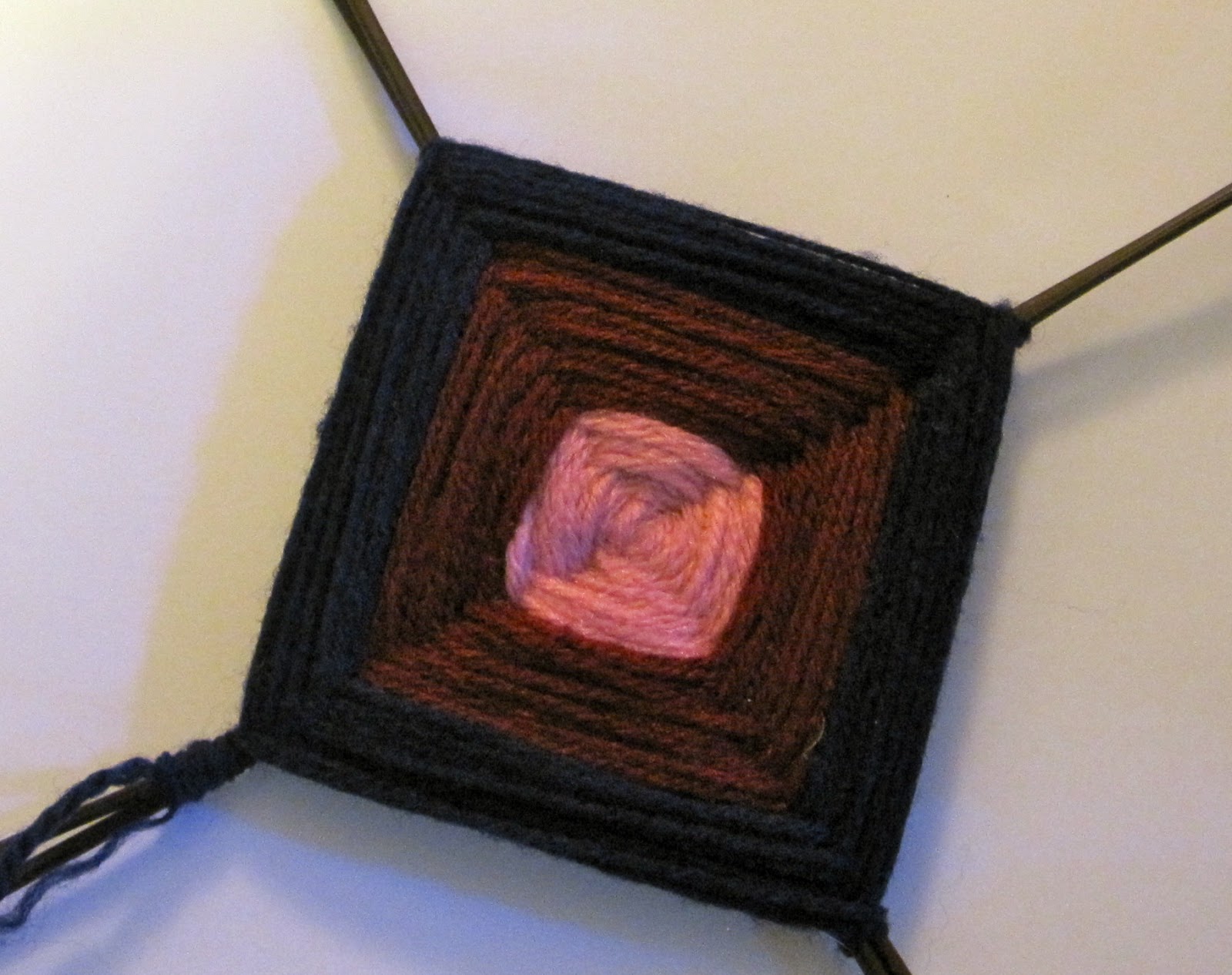
God’s Eyes come from the Huichol people of western Mexico. It is a spiritual object that brings protection to babies. The yarn weaving starts with the central eye woven by the father and then one eye is added for every year of the child’s life until the child reaches five. The four points represent the elemental processes of earth, fire, air and water.


In my Art therapy studio we made a similar weaving, but we embed the weaving with a different meaning. The children wove the central eye in a colour to represent themselves. Then they picked two or three other colours to represent people in their lives that protect and love them.
They enjoyed doing this activity and most of the children said that they wanted to hang them over their beds.

Wednesday, November 28, 2012

Art Therapy and Seasonal Crafts


Doing crafts is a wonderful de-stressing activity. It is well known that stress is one of the major factors that negatively affect our society today. Stress can be ramped up during holiday periods. To counter stressful thoughts slowing down and crafting with your hands helps to reverse the habit of getting into the stress mode. Here are some things that we are doing in the Art Therapy Studio to release some of that stress and anxiety:


Beaded Wreaths

Beaded Candy Canes


Making candy canes and wreaths from interlocking beads. This exercise is simple, fun and creates a great product.

Working with pre-made forms.
Collaged Stars

Painting pre-made stars, trees and other forms. This exercise lets the client focus on the fun part of decorating and painting a pre-made form.


Felt story.


Felt stories.
This is a felt story of the 12 Days of Christmas. Creating felt stories is a sensory rich art activity, which involves creativity, story and play.

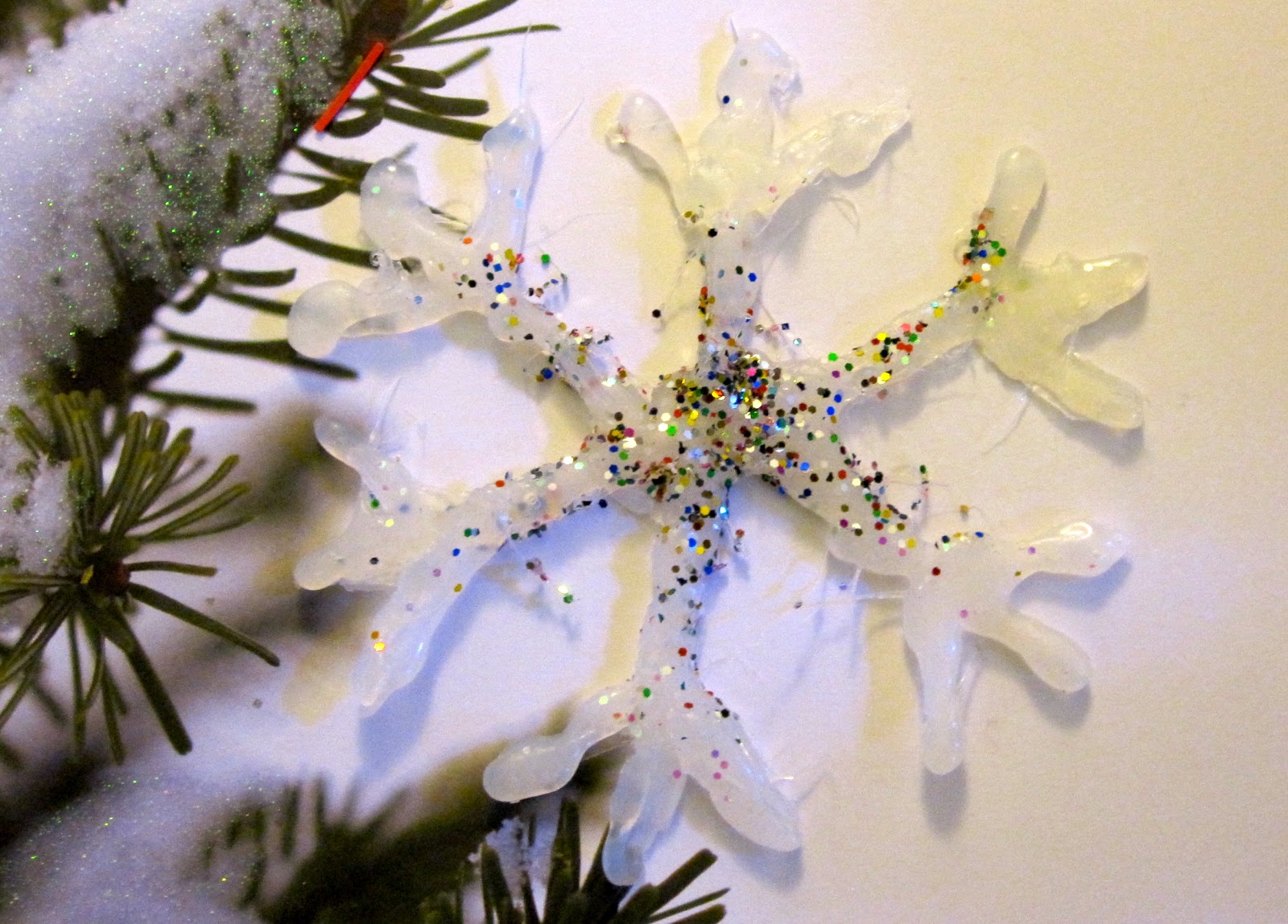
Glue gun snow flake.


Making snowflakes. Snowflakes are always a fun, quick exercise that results in surprising and beautiful designs.


What Christmas crafts have you been enjoying?

Wednesday, November 21, 2012

Your Relationship With Anger


Over the years my relationship with anger has drastically changed. As a young child, I had to deny or hide any signs of anger. Only our father was allowed to display anger openly. By watching my mother, I learned how to express anger in a passive aggressive way, which was safer, if no one caught on. As a teenager, I would often dissociate from my anger and then it would erupt as rage. In my twenties, I started to own and act on it. I found ways to direct it and release it. I was still confused and frightened by anger, but at least I was not denying it. Throughout my 30s it was something that could still feel foreign, scary and uncomfortable. At that time, I believed that I needed to grow past it, and no longer experience angry feelings.
Finally in my 40s and 50s I have become comfortable with accepting that when I become angry I need to listen and respect this valuable part of me, which is trying to communicate something to me that shouldn’t be ignored. It could be that someone is violating my boundaries, being rude or aggressive to me or that I am witnessing something that is unjust. The problem is not in feeling anger rather it is learning how to work with it. Anger can be a powerful ally and guide to knowing when things are not right in our inner and outer world. How do we hold the tension of feeling overwhelming anger and not do anything with it that we will regret? The key is to hold it and not act on it. We have to build the capacity to be with it, stand beside it and know that while it is pulsing through our veins this is not the time to act on it. Action comes later with reflection. I am not talking about life threatening events when we need to defend ourselves to survive, the feelings there are often not anger alone. I am talking about times when anger sneaks up on us or grips us by the throat when we are interacting with others, reading something in the news or whatever situation you find it in.
I think that as we age and grow our relationship with all of our feelings shift and evolve. I experience joy, happiness, sadness and many other emotions and feelings differently now than I did when I was younger. It can be an interesting life review to isolate one feeling or emotion and take an overview.

Moshe Feldenkrais said, “It is our resilience, the shock that we can withstand and still recover our stability that determines our health”.


Art Therapy Exercise to Explore Our Relationship With Anger

Take some time to gather some art supplies, crayons, coloured pencils, paints and get comfortable. Take a few deep breaths to bring yourself into presence.
Now start with your childhood and review in your mind what your relationship was with anger. How did your mother and father handle it? What about your siblings? What were the early messages that you received?
Now take some time to write and or paint or draw your response.
Return to sitting and breathing. Take three or more deep breaths to bring yourself to presence. Now get a snapshot of how you lived with anger as a teenager. How did you express it or did you? What were your views about anger at that age? What situations triggered your feelings of anger?
Now take some time to write and or paint or draw your response.
Return to sitting and breathing. Take three or more deep breaths to bring yourself to presence. Fast forward to your 20s. What memory stands out here that emulates your relationship with anger? Was it something foreign, forbidden, destructive, always lurking or delightful?
Now take some time to write and or paint or draw your response.
Return to sitting and breathing. Take three or more deep breaths to bring yourself to presence.
Next turn to your 30s. Take some time to really note in what ways your relationship changed. Look to see if there was a deeper understanding or respect for what your anger was communicating. Did you have more skill in knowing how to live with anger? Could you anticipate the triggers? Did or do you feel more in control of this feeling?
Now take some time to write and or paint or draw your response.
Return to sitting and breathing. Take three or more deep breaths to bring yourself to presence.
Now review the relationship you have to anger in your 40s. Were there any events that really stand out for you that shifted your relationship and understanding of the role that anger plays or played in your life? What do you see?
Now take some time to write and or paint or draw your response.
Return to sitting and breathing. Take three or more deep breaths to bring yourself to presence.
Next move to your 50s. What defines or defined your relationship in these years? Has your anger mellowed, intensified, changed course or do you express it differently? Does it fuel your art, your sense of justice or ability to stand up for yourself or others?
Now take some time to write and or paint or draw your response.
Return to sitting and breathing. Take three or more deep breaths to bring yourself to presence.
Continue this exercise until you reach the age that you are now. After, if you wish, it is helpful to repeat this with looking at happiness, sadness, and any other feeling or emotion with which you have a deep long relationship.


LinkWithin

Related Posts with Thumbnails